Why the Second Tattoo Is Harder to Get Right
The first tattoo is a leap into the unknown. You don't know how it will feel, how it will heal, or how you'll live with it, so most people approach it with caution and a certain nervous care.
The second tattoo is different, and that's the problem. The nerves are gone, you know what to expect, and there's already a tattoo on your body that feels completely normal. What's often missing is the reflection in between — the honest look back at what you actually liked and disliked about the first piece. Without it, people repeat the same decisions, only louder.
There's no rule that says your second tattoo has to be bigger or more ambitious than your first. But there is a strong case for making it more considered.
The Mistakes That Show Up Most Often
Most second-tattoo regrets trace back to a few decisions made too quickly.
- Rushing to book — the confidence of having survived the first one often turns into a booking within days. There's no pressure to move that fast.
- Going bigger than the skin or budget can carry — a larger piece is not automatically a better one. If the budget only stretches to a rushed job, the result suffers.
- Choosing an artist for the wrong style — the artist who did your first piece may not be right for the second idea. Styles are separate disciplines.
- Building a sleeve before knowing the direction — one well-placed piece is not a sleeve, and filling space without a plan is how collections end up clashing.
- Placing a piece without thinking about what comes next — where a tattoo sits determines what can go around it later.
None of these is fatal on its own, but stacked together they turn what could have been an evolving collection into a set of unrelated tattoos.
Review What You Actually Liked About the First
The most useful thing you can do before booking a second tattoo costs nothing. Look at your first piece properly — not just at whether you still like the design, but at the details.
Ask yourself:
- Did the placement work? Is it somewhere you see often and enjoy, or somewhere you forget about?
- Did the size feel right in hindsight? Was it too small to hold the detail, or too large for the idea?
- How did it heal? Patchiness or fading tells you something about how your skin takes ink.
- Did the style still feel like you? A year on, does the direction still resonate?
If the first piece healed with soft spots, your skin may need a firmer hand next time. If the placement isn't where you expected, you've learned something about how you want to live with a tattoo.
Size Up Gradually, Not Dramatically
A common instinct is to jump from a small first tattoo straight to a large second one. Sometimes that's exactly right. Often it isn't.
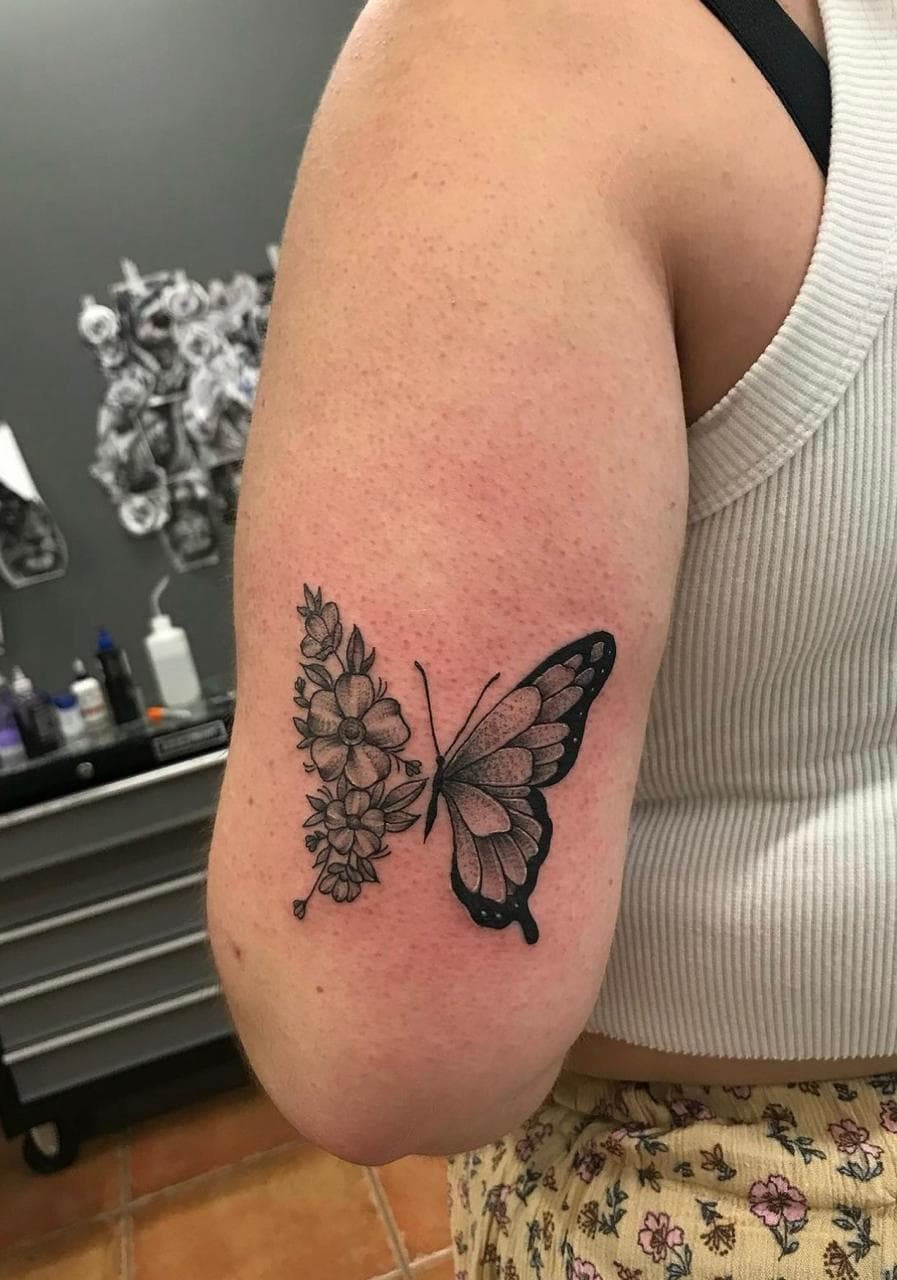
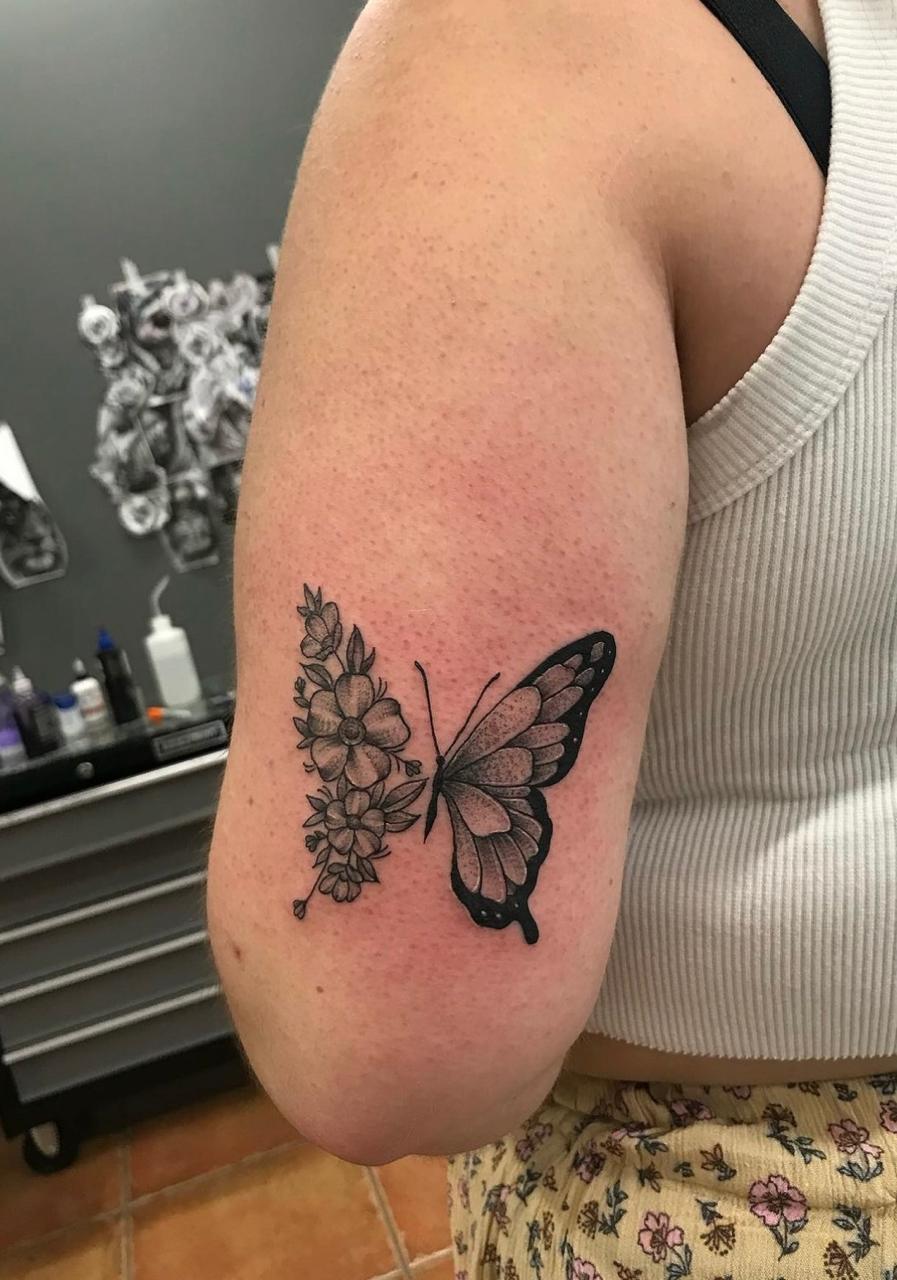
Sizing up gradually lets you test how your skin and your schedule respond to a bigger commitment before you commit fully. A medium-sized piece on the upper arm or thigh is a realistic next step, and it teaches you what a longer session, a larger healing area, and a more complex composition actually feel like.
If the eventual goal is a large piece, build towards it with size and placement in mind rather than rushing to fill space.
Choose an Artist for This Idea, Not the Last One
Your second tattoo is your first real opportunity to make a deliberate artist choice, and the stakes are higher because the idea is usually more specific.
Look for evidence in a portfolio of the exact direction you have in mind, not just tattoos you like in general. A guide to choosing your tattoo artist covers the full checklist, but the short version is this: healed work in your style, a coherent portfolio, and a consultation where the artist engages properly with your idea.
If the second tattoo is a different style from the first, it's usually worth working with a different artist who specialises in it. That isn't disloyalty — it's matching the right hand to the right job, and most studios cover a broad spread of custom styles.
Think in Collections, Not One-Offs
The mindset shift that separates a strong set of tattoos from a scattered one is thinking about your body as a collection rather than a series of individual decisions.
That doesn't mean every tattoo has to relate to every other, but each new piece should be placed and styled with awareness of what already exists and what might come later. Building a tattoo collection over time is a discipline of its own, and the second tattoo is the natural point to start practising it.
Questions worth asking:
- Does this piece sit well with the first one? Not necessarily matching it, but not fighting it either.
- Does it leave room to grow? A piece placed with margins around it allows future work to flow rather than collide.
Placement Planning Is Where Regrets Are Avoided
Placement is the most underestimated decision in tattooing, and it is the hardest to undo. Before you commit to a spot, think past this tattoo.
Think about how the placement interacts with clothing, sun exposure, and the natural lines of the body, and whether it allows for extension in a direction you might eventually want. Think about visibility too — some placements suit a private piece, others a display piece, and the wrong one creates a friction you'll feel every day.
Budget Realistically for Something Bigger
Larger, more detailed work costs more, and the second tattoo is often where people first underestimate a project. Solid work takes time, and time is what you're paying for.
Settle your budget before you settle the size, then let the artist advise on what's achievable within it rather than committing to a design and hoping the cost works out. If the idea exceeds what you can afford right now, the answer is usually to wait or scale the first stage, not to compromise work that will be on your skin permanently.
Make the Second One Count
The second tattoo is a chance to apply everything the first one taught you — about your tolerance for discomfort, your healing, your taste, and the artist you want to work with. Treated as a step in a longer plan rather than an impulse, it becomes the point where a casual tattoo turns into a collection worth building.