Delicate on Paper, Difficult on Skin
A white ink tattoo sounds elegant: a design that reads only in certain light, low-key, almost like a scar. In practice, white ink is one of the most misunderstood and most demanding materials in tattooing, and it rarely behaves the way the inspiration photos suggest.
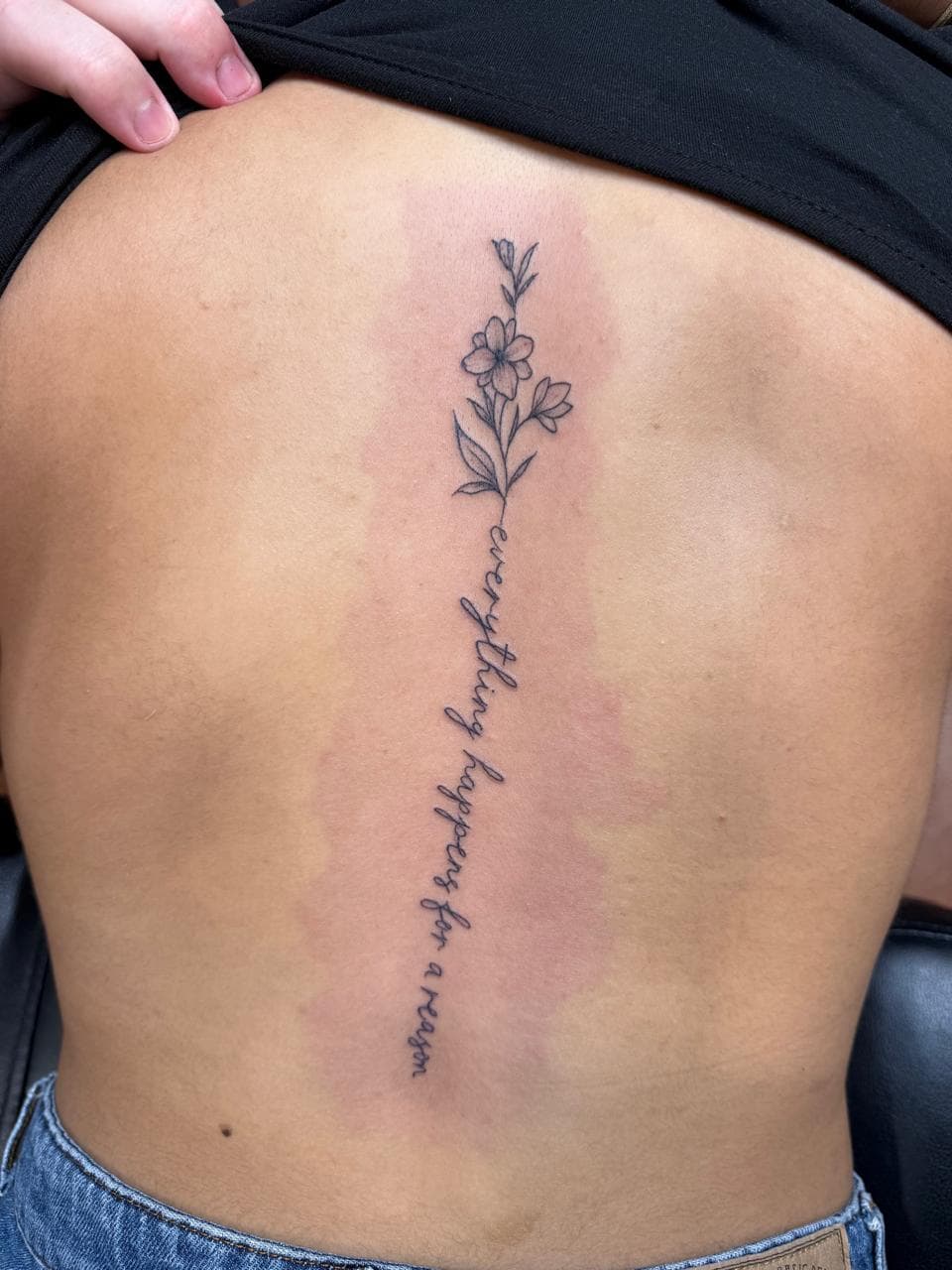
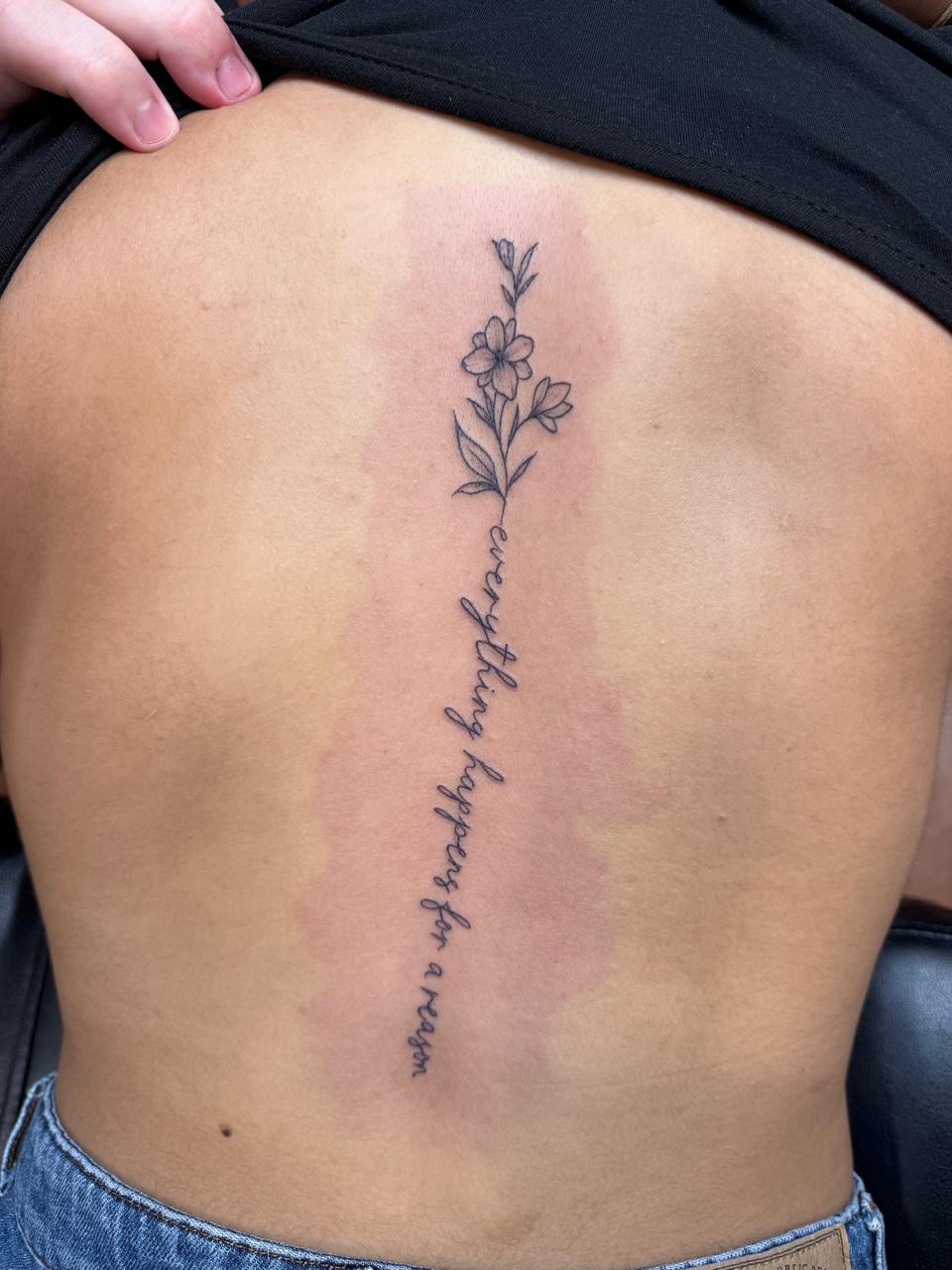
Most of those photos were taken minutes after the tattoo was finished, on skin that was slightly inflamed and raised. That is when white ink looks its most opaque and its most white. It is not how it will look in a year.
White Ink Is Not Like Other Inks
White tattoo ink is largely made up of titanium dioxide — the same compound used in sunscreen, paint and cosmetics to create an opaque, bright white. It is a dense, heavy pigment compared with the inks used for black or colour work, and that difference in composition changes how it sits in the skin.
In practical terms:
- It is harder to pack evenly — dense pigment does not settle into the skin the way thinner inks do, so a white tattoo often looks patchy even when it is applied well.
- It does not stay white — the compound itself is not stable in skin over long periods.
- Overworking is a risk — because opacity is difficult to build, there is a temptation to go back over the same area, which can damage skin and worsen the result.
Contrast Is the Whole Problem
White ink only reads as white when it sits against skin that is clearly darker or warmer than it is. That creates very different realities depending on skin tone.
- On very pale skin — a white tattoo may be nearly invisible. How tattoos read on different skin tones covers how contrast works generally, and white ink is the most extreme version of that problem in the wrong direction.
- On medium and deeper skin tones — white ink can show clearly at first, but the contrast tends to dull as the ink changes and the skin settles.
- On skin with redness or freckling — the effect is unpredictable from the start.
White ink is therefore not simply "subtle ink for pale people". It is a low-contrast material that is hardest to see exactly where it is most often requested.
Yellowing and Fading
The single most important thing to understand about white ink is that it rarely stays white. Over a period of a few years, white ink commonly takes on a faint yellowish or cream tint, and in many cases it fades until it is almost invisible.
That change is not a sign the tattoo was done badly. It is a property of the material.
- Yellowing — a warm shift in tone that most white pieces develop over time
- Fading — a slow loss of definition, sometimes to the point of looking like faint scarring
- Blurring — a slight softening of the edges as the pigment disperses
Results vary from person to person and from piece to piece. Some white tattoos hold up surprisingly well for several years. Others fade noticeably within eighteen months. Nobody can predict which you will get, and any artist who promises a permanent, crisp white is overpromising.
Sun Exposure Speeds Everything Up
Ultraviolet light accelerates the fading and discolouration of every tattoo, and white ink appears especially sensitive to it. In a place like Darwin, where sun exposure is high year-round, that matters a great deal more than it would in a milder climate.
Realistic protection means:
- Sunscreen on the tattoo whenever the area is exposed
- Clothing and shade doing more work than sunscreen alone
- Extra care in the first months while the tattoo is settling
How tattoos age over time is worth reading for the wider picture — white ink follows the same rules as any tattoo, just faster.
More Common as a Highlight Than a Standalone Tattoo
Because white ink is hard to keep white and hard to see, many artists use it mainly as an accent rather than as a whole tattoo. Layered over fully healed black or grey work, white can create the impression of a scar, a highlight or a soft glow, because it sits against a dark background and finally has real contrast to work with.
The lighter the surrounding work, the less a white highlight will show. On dark, healed work, it is one of the more effective tools available.
Healing and Aftercare Expectations
A white ink tattoo heals like any other, with one extra complication: it can look almost absent while it heals. The skin is likely to be slightly raised and pink immediately afterwards, which makes the design appear more visible than it will be — then it settles, and the visibility drops.
Practical points:
- Expect the finished look to differ from the fresh look. This is the most common disappointment with white ink.
- Aftercare still matters. Normal healing rules apply, and looking after the skin is what protects whatever result you get.
- Frequent touch-ups are normal. If you want to maintain visible white, knowing when a tattoo needs a touch-up is useful, because white pieces almost always need reworking sooner than black ones.
An Honest Verdict
A white ink tattoo can be beautiful, and for someone who genuinely wants something understated, it can be exactly right. But it should be chosen with clear eyes.
It is a good fit if you:
- Want something subtle and accept that subtle may become nearly invisible
- Like the idea of a piece that changes and softens over time
- Are considering white as a highlight layered over existing healed work
It is a poor fit if you:
- Expect a crisp, bright white tattoo that will stay that way
- Want a piece that reads clearly from across a room
- Are hoping for a high-contrast effect on pale skin
- Want to avoid repeated touch-ups
The best results with white ink come from planning around how it actually behaves — not how it looks in a photo taken five minutes after the needle stops.