Is Sensitive Skin a Problem for Tattoos?
Short answer: not at all. Sensitive skin means you'll need a more careful approach to aftercare, but there's no reason you can't get and heal a tattoo beautifully. The key is knowing how your skin reacts, avoiding the common triggers, and giving it time and gentle attention.
At Felicidad, roughly one in three of our clients describes their skin as sensitive. If that's you, this guide is built around what we've learned works best.
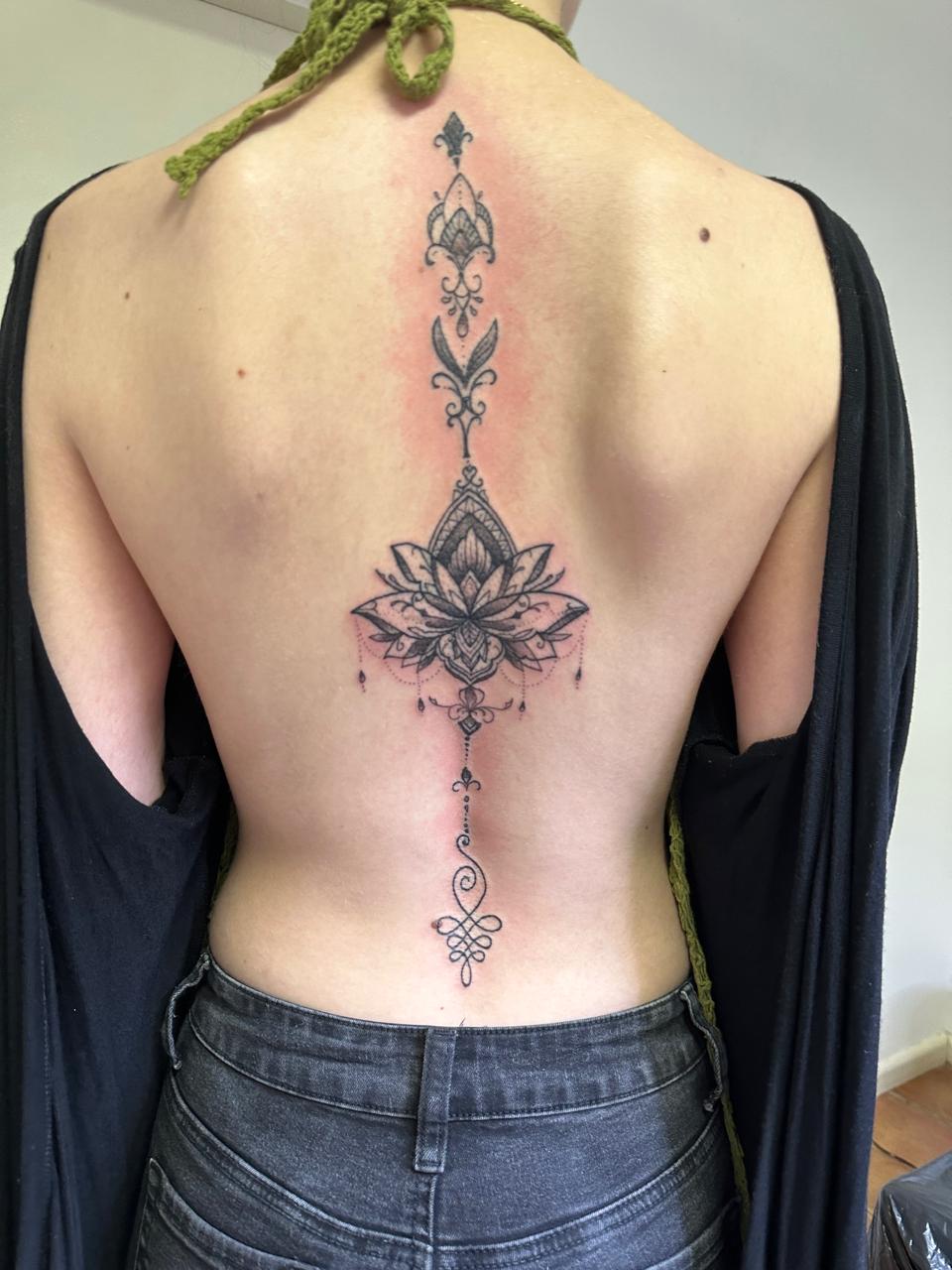
Before Your Appointment: Prep Your Skin
The better condition your skin is in on the day, the smoother the healing process will be.
Two weeks before
- Patch-test your aftercare — pick a gentle, fragrance-free moisturiser and apply a small amount to the inside of your forearm twice a day for a week. If no redness or irritation appears, you're good to go with that product.
- Skip exfoliants and acids — put away the AHAs, BHAs, retinoids, and granular scrubs. These thin the outer layer of skin and make it more reactive during tattooing and healing.
- Stop any new skincare products — now is not the time to try that new serum everyone is talking about. Stick to what you know your skin tolerates.
Day of
- Shower as usual, but don't moisturise the area we're tattooing. Clean, bare skin is what we need.
- Wear loose, breathable clothing — cotton and linen are ideal. Avoid synthetics that can trap sweat and irritate.
The First 48 Hours: Minimise the Reactivity
This is when sensitive skin is most likely to flare. Stick to these rules closely.
Removing the bandage
Leave your initial wrap on for the full time your artist recommends — for sensitive skin, we usually suggest 4 to 6 hours rather than the standard 2 to 4, to give the skin a longer closed environment to settle.
When you do remove it:
- Wash your hands thoroughly with fragrance-free soap
- Peel the wrap back slowly and gently — don't yank
- If the bandage sticks, hold it under cool running water to soften the adhesive residue first
First wash
Use cool to lukewarm water, never hot. Hot water opens capillaries and can increase redness and irritation. Use a mild, non-medicated, fragrance-free liquid soap and apply it with clean fingertips only — no washcloths, no sponges, no scrubbing.
Pat dry with a clean paper towel. Do not rub. Let the area air dry for 5 to 10 minutes before applying anything.
Days 2 to 10: The Delicate Phase
Sensitive skin often stays pink and slightly raised longer than average during this period. That's usually normal, but watch for the signs of something more serious: spreading redness, hot skin, pus, or increasing pain after day 3. Any of those — come and see us or see a doctor.
Moisturising: less is more
For sensitive skin, a thinner layer, less often is the rule. Apply a rice-grain to pea-sized amount of your tested moisturiser twice a day only — morning and night. Over-moisturising is the number one cause of breakouts and rashes on healing tattoos for sensitive skin types.
If your skin feels tight between applications, splash it with cool water rather than adding more product.
What to definitely avoid
- Petroleum-based products — Vaseline, Aquaphor, and similar can trap heat and cause follicle irritation on sensitive skin
- Antiseptic washes — Dettol, Savlon, tea tree oil, rubbing alcohol, and hydrogen peroxide all disrupt the skin's natural barrier and will delay healing
- Sunscreen on a fresh tattoo — even the "sensitive" formulas have ingredients that can cause a reaction on broken skin
- Makeup or body lotion near the area — even your usual products can irritate if they get into healing follicles
Weeks 2 to 4: Settling and Protecting
By now, the flaking should be finished and the tattoo will look matte and slightly cloudy. This is when the deeper layers of skin are still healing underneath.
- Introduce sunscreen carefully — once the skin is fully closed (no flaking, no scabs, no wetness), do a small patch test of your sunscreen on the edge of the tattoo. If there's no reaction after 24 hours, you're clear to use it on the whole piece. A mineral (zinc oxide/titanium dioxide) formula is usually the most tolerable for sensitive skin.
- Go back to your normal skincare — but keep exfoliants and active ingredients away from the tattoo area for at least another month.
- Drink water and sleep well — it sounds basic, but sensitive skin heals better when the rest of you is healthy too.
If You Do Get a Reaction
Even with perfect care, sensitive skin sometimes reacts. Here's what to do:
Mild rash or small bumps
Stop all moisturiser application for 24 hours. Wash once in the morning with cool water and nothing else, and once at night the same way. Let it air out. After 24 hours, if it's improved, go back to half the usual amount of moisturiser.
Itching that won't quit
Take an antihistamine — oral antihistamines work better for tattoo-related itching than topical creams, and you avoid putting anything on the skin itself. A cold, damp compress (clean cloth, wrung out, folded) held on for 5 minutes at a time can also take the edge off without introducing anything reactive.
Anything that worries you
Just come in. We'd rather look at something and tell you it's fine than have you stress about it — or worse, ignore something that needs attention. We're happy to check your healing tattoo at any point during the first month, no charge.
Sensitive skin does ask for a little more attention, but the payoff is the same. Be gentle, be patient, and stick to the plan — and your tattoo will heal clean, crisp, and beautiful.