A Different Kind of Tattoo
Memorial tattoos carry a weight unlike almost any other piece a studio creates. They aren't chosen for how they'll look in a portfolio or how well they'll photograph — they're chosen to hold the memory of a person, a pet, or a moment that mattered. Approaching one well means slowing down, listening carefully, and giving the design the time it deserves.
Common Symbols and What They Carry
Memorial tattoos often lean on a shared visual language, though the meaning behind each symbol is always personal:
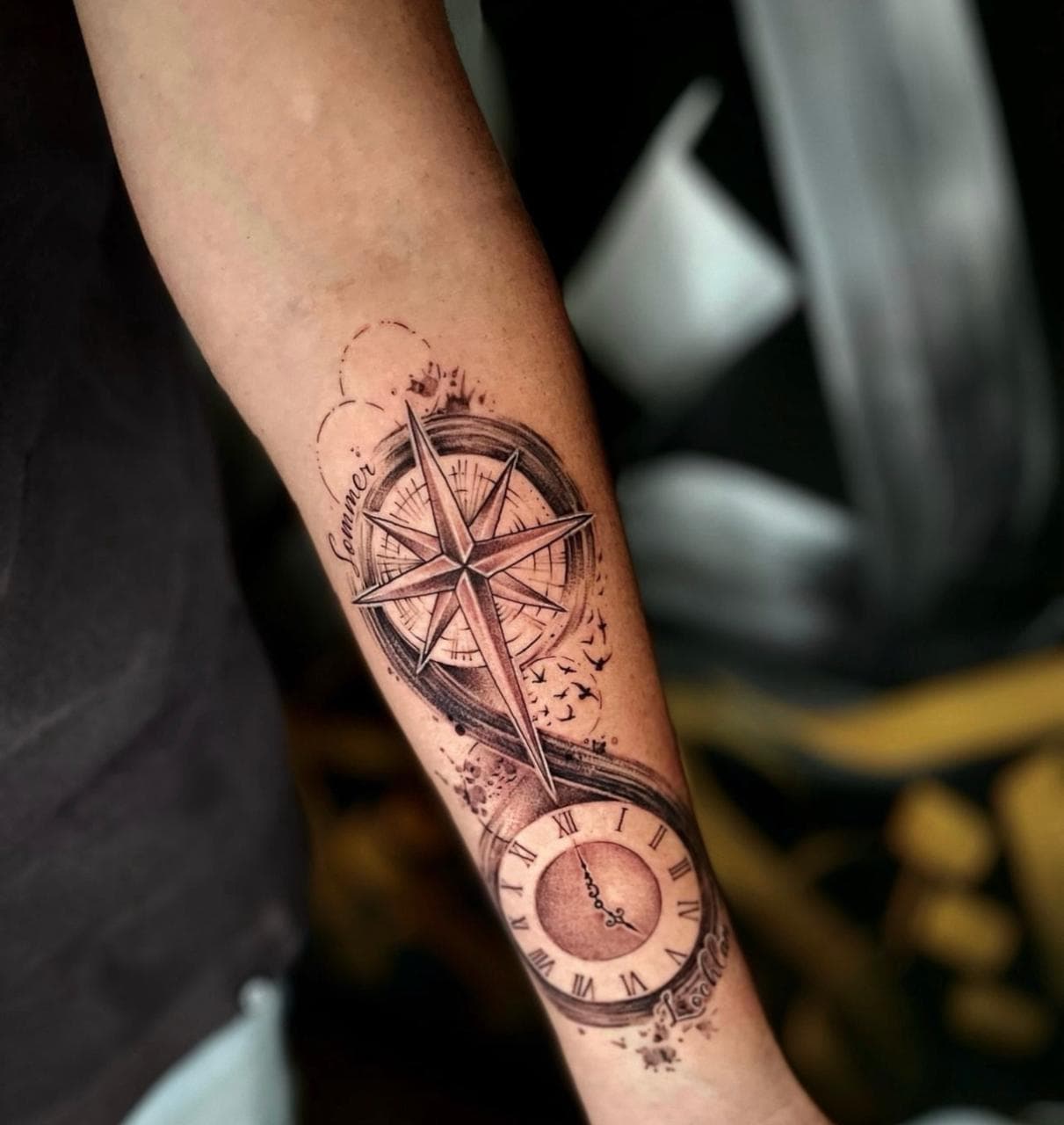
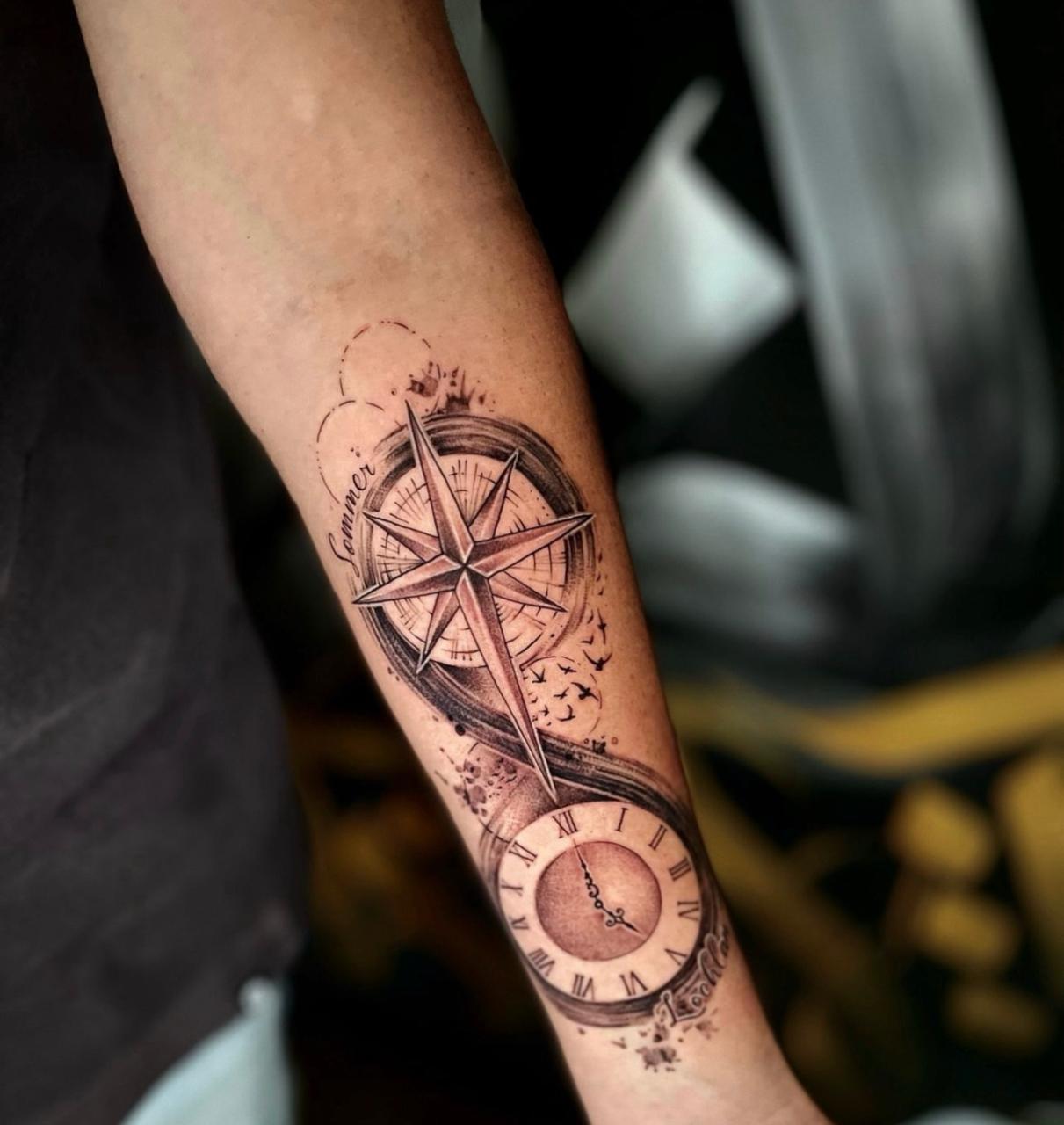
- Clocks and compasses — marking a specific date and time, or representing guidance and direction left behind by someone who mattered.
- Portraits — a direct, realistic likeness of the person or pet being remembered, usually rendered in black and grey realism for its emotional depth and longevity.
- Dates and initials — understated, often incorporated into a larger design rather than standing alone.
- Symbolic objects — an item that belonged to or represented the person: a specific flower, an instrument, a favourite phrase in their handwriting.
- Birds and wings — a common motif for loss, representing freedom or the idea of someone "flying on."
Choosing the Right Style
Because memorial tattoos are often intended to last a lifetime as a central, meaningful piece, style choice matters more than usual:
Black and grey realism is the most common choice for portrait-based memorial work — it renders faces, animals, and fine detail with the emotional accuracy these pieces need.
Fine line suits smaller, quieter memorial pieces — a signature, a single symbolic object, a small date discreetly placed.
Illustrative styles can soften a portrait-based memorial into something more painterly and less literal, which some clients prefer emotionally.
Working With Reference Material
If your memorial tattoo includes a portrait, bring the clearest reference photos you have — well-lit, in focus, and showing the features you most want captured. Multiple photos from different angles help an artist build a more accurate, three-dimensional understanding of a face than a single image can. For non-portrait pieces, gather any meaningful objects, handwriting samples, or dates that should be included.
Giving the Process Time
Memorial tattoos benefit from a slower process than most other pieces. Take the consultation seriously — talk through what you want the tattoo to say, not just what you want it to show. A good artist will ask thoughtful questions and won't rush you toward a decision before you're ready.
Placement and Healing Considerations
Because these pieces are often deeply personal, many clients choose placements that are private and easily covered, though others prefer visibility as part of processing grief openly. Either is valid. Whatever you choose, be aware that portrait-heavy memorial work, in particular, often benefits from a touch-up session several months after healing to keep fine details crisp.
At Felicidad Tattoo Studio in Darwin, we approach memorial work with the care it deserves. Book a consultation and let's create something that truly honours what — or who — you're carrying with you.