Friction Is a Quiet Problem
Most clients know to avoid swimming, picking, and direct sun during the early healing period. Friction gets less attention, but it causes a lot of unnecessary discomfort. Repeated rubbing can leave a fresh tattoo feeling hotter, more tender, and more irritated than it should.
The problem is not usually one dramatic event. It is small contact repeated all day.
Clothing Is Often the Main Cause
Fresh tattoos are especially vulnerable where fabric naturally presses, drags, or bunches. That includes areas under sleeves, waistbands, bras, socks, shoes, and tight shorts.
High-friction placements often include:
- Inner bicep
- Ribs
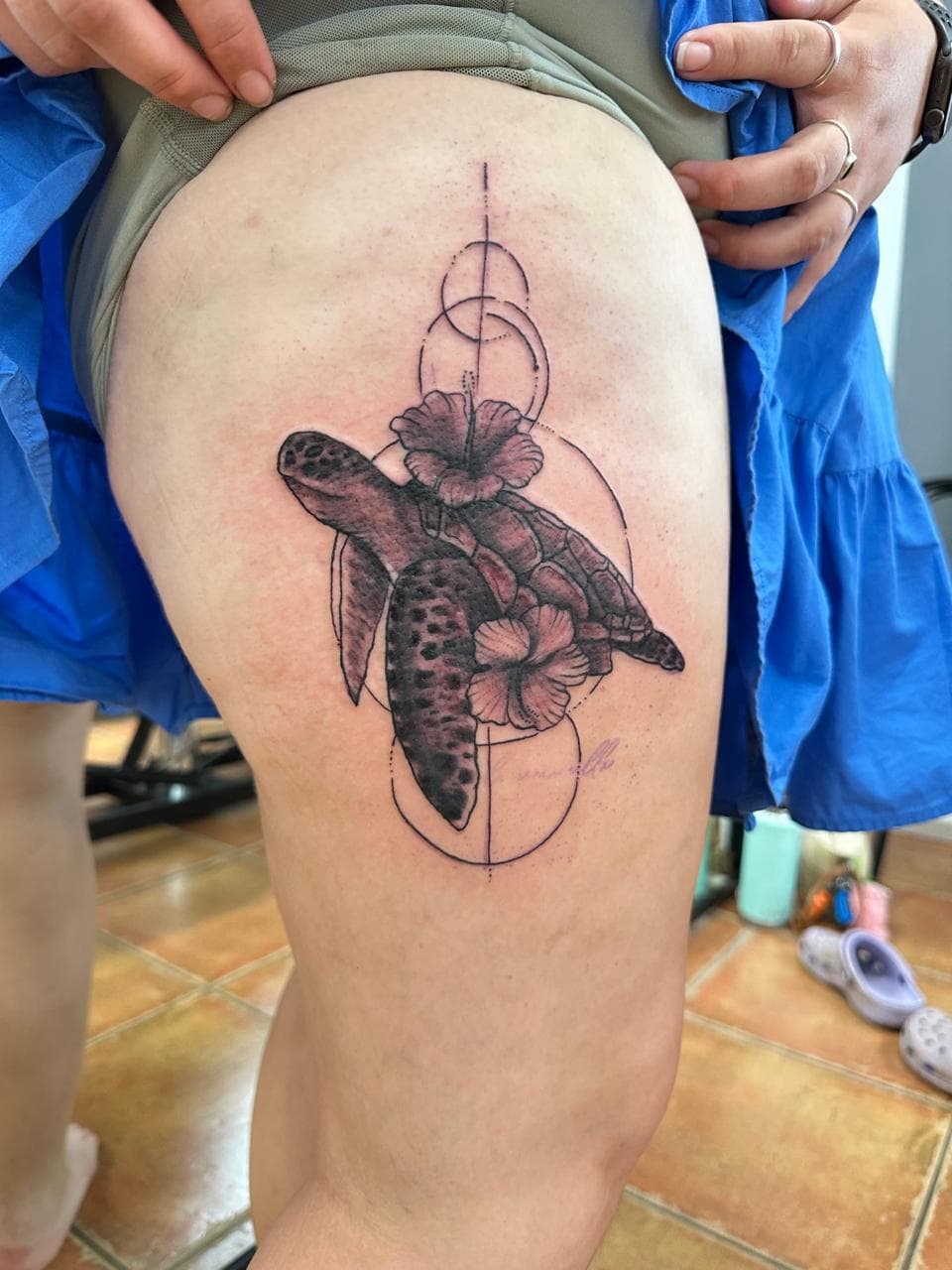
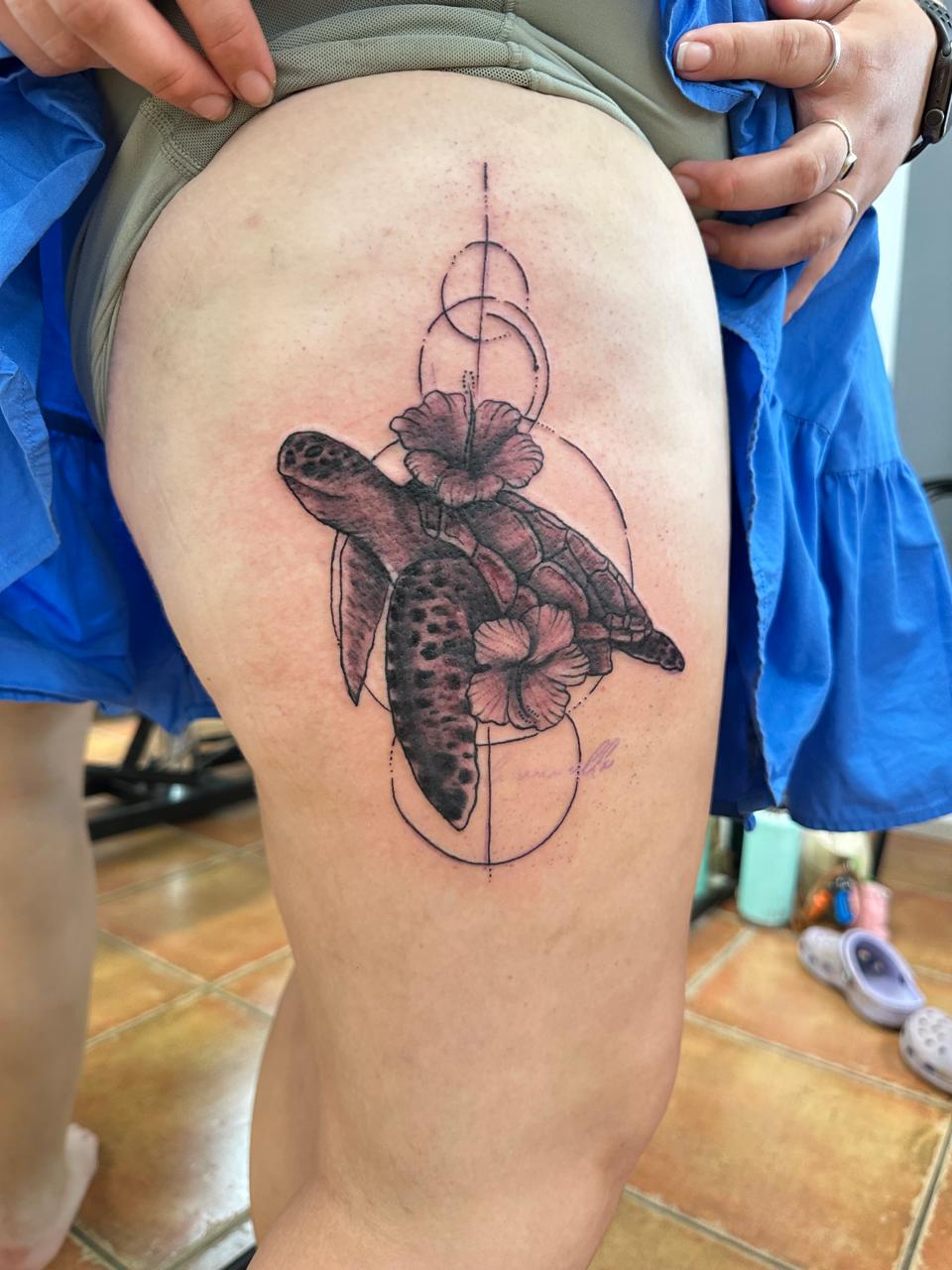
- Thigh
- Foot and ankle
- Back of the arm
- Areas under straps
If a tattoo keeps getting rubbed by the same piece of clothing, healing becomes harder for no good reason.
Looser Is Usually Better
One of the simplest ways to protect a healing tattoo is to wear looser, cleaner, more breathable clothing for the first stretch of healing. You do not need a special wardrobe. You just need to stop trapping the tattoo under pressure or constant movement.
The aim is to reduce:
- Tight pressure
- Seam rubbing
- Heat build-up
- Sweaty fabric staying against the area
Movement Patterns Matter Too
Friction is not only about clothing. The way you move through your day can irritate certain placements. Long walks in stiff shoes, repeated gym movement, carrying a bag over one shoulder, or sitting in a position that presses the tattoo all day can all keep the area aggravated.
This is why aftercare advice has to match the tattoo's placement and your routine.
Do Not Over-Cover the Tattoo to Fix the Problem
People sometimes respond to friction by wrapping or covering the tattoo too much. Unless your artist has specifically told you to use a covering, that can create more heat and moisture than necessary.
In most cases, the better solution is simpler:
- Change the clothing
- Reduce the rubbing source
- Keep the tattoo clean
- Leave it alone as much as possible
Healing usually improves when the environment improves.
Watch for Repeated Irritation
A fresh tattoo will naturally feel sensitive, but persistent rubbing creates a particular kind of irritation. The area may feel more inflamed at the end of the day, look angrier after certain clothing, or become tender in exactly the spots where fabric or movement keeps catching it.
Spotting that pattern early helps you fix it before it turns into days of avoidable discomfort.
Protect the Tattoo by Reducing Contact
At Felicidad Tattoo Studio, we want aftercare to stay practical. You do not need a complicated healing system to protect a tattoo from friction. Usually, you just need to notice what keeps touching it and remove that source wherever possible. Small adjustments in clothing, movement, and routine can make the healing period much smoother.