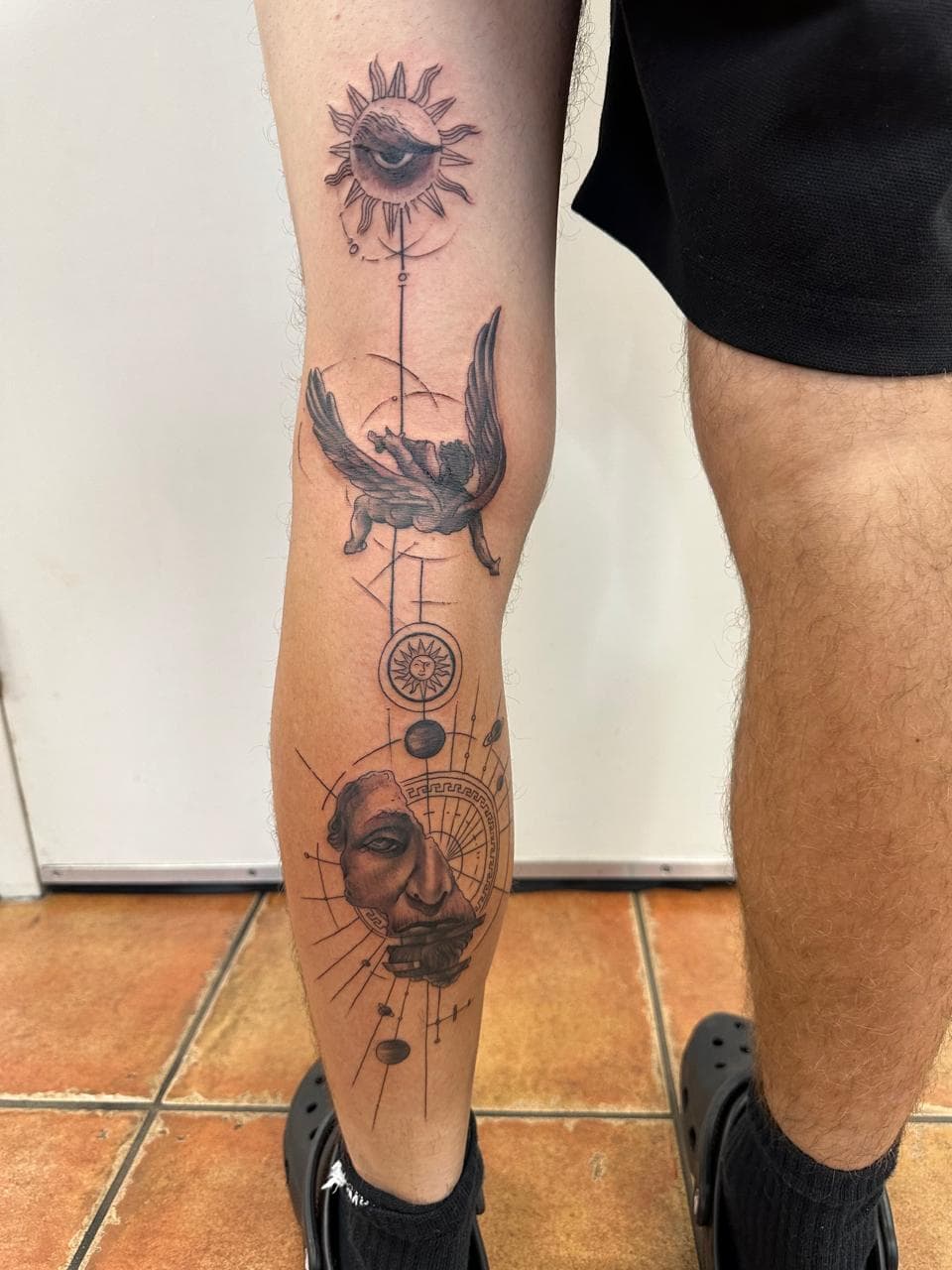
Why Skin Preparation Matters
Your skin is your tattoo's canvas. When it's in good condition — well-hydrated, free of irritation, and properly cared for — it accepts ink more evenly, heals faster, and holds detail better over time.
Neglecting this is one of the most common reasons tattoos don't look as crisp after healing as they did fresh. A few simple habits in the weeks before your appointment can make a measurable difference.
Two to Three Weeks Before
Moisturise Daily
Begin moisturising the area you're planning to tattoo at least two to three weeks in advance. Use a fragrance-free, non-comedogenic lotion and apply it after showering when skin is still slightly damp.
Hydrated skin is more supple and elastic — it accepts the needle more cleanly and heals with less scarring. Dry, flaky skin is significantly harder to tattoo and can lead to patchiness in the healed result.
Avoid Sunburn
Sunburned skin is categorically not suitable for tattooing. Burned or peeling skin is damaged and inflamed, and tattooing over it can cause uneven ink distribution, additional irritation, and a compromised heal.
If your appointment is during summer — particularly in a tropical climate like Darwin — take extra care to protect the area with high-SPF sunscreen and cover clothing when outdoors.
Avoid Tanning
This applies to both sun tanning and tanning beds. Tanned skin changes the way pigment settles, especially in colour tattoos. Lighter skin tones hold colour more vividly and contrast more clearly. Your artist has designed your piece with a particular vision; don't complicate that by altering the canvas beforehand.
The Week Before
Stop Using Retinol and Exfoliants
Retinol, AHAs, BHAs, and mechanical exfoliants all thin and sensitise the skin. Avoid these on the area being tattooed for at least a week prior — ideally two weeks if you use them heavily.
Thinned skin can bleed more easily during tattooing, which can dilute ink and affect the final saturation.
Avoid Blood Thinners Where Possible
Alcohol, aspirin, and ibuprofen all thin the blood, which increases bleeding during the session. If possible, avoid alcohol for 48 hours before your appointment and avoid aspirin and ibuprofen for 24 hours before.
Note: If you take prescription blood thinners for a medical condition, do not stop them. Speak to your doctor and inform your artist at the consultation.
Don't Shave Too Close to the Appointment
Your artist will shave the area if needed. Shaving yourself the day before or the morning of your appointment can leave micro-irritation and razor burn, which isn't ideal for needlework. Leave it to your artist unless they've specifically asked you to shave beforehand.
The Day Before and Day Of
Stay Hydrated
Drink plenty of water. Well-hydrated skin is more pliable and resilient during tattooing. This is especially important the day before and the morning of a long session.
Eat a Proper Meal
Arrive with food in your stomach. Low blood sugar during a tattoo session is one of the leading causes of feeling faint or nauseous. A balanced meal 1–2 hours before your appointment will keep your energy stable through the session.
Keep the Area Clean, but Don't Over-Moisturise on the Day
Apply your regular moisturiser the night before, but not on the day of your appointment — an overly moisturised surface can be slightly slippery and harder to work with.
Shower normally, wash the area gently, and arrive clean.
A Quick Pre-Appointment Checklist
- Skin moisturised daily for 2–3 weeks ✓
- No sunburn on the area ✓
- No retinol or exfoliants for the past week ✓
- No alcohol for 48 hours ✓
- Well-hydrated and fed on the day ✓
- Clean skin, lightly moisturised the night before ✓
Putting in this preparation doesn't have to feel complicated. Build it into your routine and by the time your appointment arrives, your skin will be exactly where it needs to be.