Why Style Matters
A tattoo is a permanent commitment — not just to an image, but to the visual language it is rendered in. Two people might both want a lion tattoo, but one might want a photorealistic portrait, another a bold traditional design, and a third a delicate fine line sketch. These are fundamentally different objects, and which one you choose will shape how the piece looks for the rest of your life.
Knowing your preferred style before you sit down with an artist makes the entire process smoother, more collaborative, and more likely to result in a tattoo you love deeply.
Start With What You Are Drawn To
The most honest starting point is not a tattoo at all. Look at the art, illustration, photography, and design you are naturally attracted to. Do you love old engravings and woodblock prints? You probably have an affinity for etching-style or traditional tattooing. Are you drawn to photographic portraits and cinematic imagery? Realism is likely your register. Geometric abstraction, minimalist design, botanical illustration — each of these aesthetic preferences points toward a corresponding tattoo style.
This is useful because it grounds your style preference in something deeper than trend.
The Major Styles, Briefly
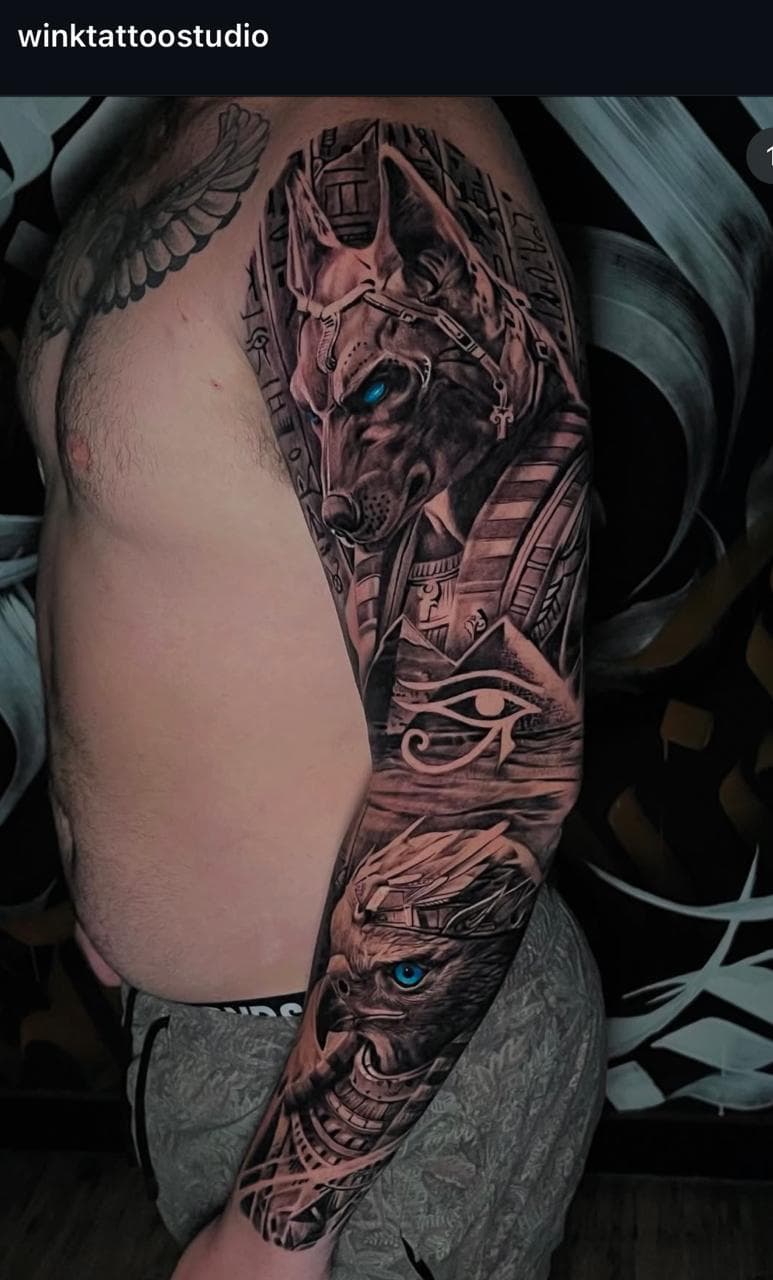
Black and grey realism — photographic rendering in monochrome, exceptional for portraits, nature, and dramatic scenes. High technical demand; best suited to larger placements.
Colour realism — the same photographic approach but with full colour. Striking but requires significant ongoing sun protection to maintain vibrancy.
American traditional — bold outlines, flat fills, iconic subject matter. Extremely durable over time.
Neo-traditional — traditional structure with richer shading, more complex subject matter, and wider creative range.
Fine line — delicate, precise linework with minimal or no shading. Elegant and contemporary; requires careful aftercare.
Japanese — a distinct visual vocabulary developed over centuries. Bold compositions, specific subject matter, meaningful iconography.
Illustrative — a broad category that includes tattoos rendered in a drawing or painterly style, often blending realism with graphic elements.
Geometric and ornamental — pattern-based work, often symmetrical, incorporating sacred geometry, mandalas, and decorative elements.

Finding Artists Whose Work You Love
Style is inseparable from the artist who executes it. Each artist has a style they are best suited to — and sometimes a style they have made distinctly their own.
Spend time on Instagram, tattoo portfolios, and studio websites. When you find work that stops you — that you return to, that you would genuinely want on your body — note the artist and look at more of their work. Consistency across a portfolio tells you that this is their genuine skill, not a one-off.
Then ask: does this artist work in the style I want? Are they in a location I can get to? Do they take the kind of commission I am considering?
Matching Style to Subject
Some imagery works naturally in certain styles. A photorealistic wolf suits black and grey realism. An Egyptian mythology sleeve suits either realism or Japanese-influenced work. A delicate botanical fits fine line or watercolour approaches. A family crest fits traditional or neo-traditional.
When subject matter and style align, the tattoo has internal coherence — everything about it is pointing in the same direction.
Being Honest About Scale
Different styles have different minimum viable sizes. Fine line with high detail may look beautiful at consultation but blur and lose definition at small scales over time. Realism needs enough surface area to achieve its characteristic depth. Bold traditional linework compresses well to smaller sizes.
Be honest with your artist about where you want to place the tattoo, and let them advise on what styles and detail levels will hold up.
Trusting Your Instinct
At the end of this process, the answer is usually not complicated. It is the style you keep returning to, the artists whose work you find yourself saving, the aesthetic register that feels like you.
When in doubt, ask your artist. A good consultation will surface these preferences quickly — and a skilled artist can often identify your instinctive aesthetic before you have fully articulated it yourself.
At Felicidad Tattoo Studio in Darwin, we work across realism, illustrative, and decorative styles. Book a consultation and let's figure out what works best for you.