What Cosmetic Tattooing Actually Is
Cosmetic tattooing — often called permanent makeup — works on the same basic principle as a body tattoo: pigment is placed into the skin with a needle so that it stays there. What differs is the intent. Instead of creating an image, cosmetic tattooing is used to enhance features — brows, lips, and eyes.
The techniques have become far more refined over the past decade, and a good result can look entirely natural. But the name "permanent makeup" is misleading, and understanding why matters before you commit to anything.
The Main Treatments
Most cosmetic tattooing falls into one of three categories.
- Eyebrow tattooing and microblading — hairstroke or powder techniques that fill, define, or reconstruct the shape of the brow. Microblading uses a manual blade to deposit pigment in fine strokes, while machine methods build a softer, shaded finish.
- Lip blush — pigment is worked into the lip to add colour, define the border, and soften asymmetry. The effect is usually closer to a tint than to lipstick.
- Eyeliner enhancement — a line placed along the lash line, from gentle definition to a heavier wing. This is the most delicate of the three and the most safety-sensitive.
Each treatment sits on different tissue, heals at a different pace, and holds for a different length of time. A brow result and an eyeliner result are not really the same procedure at all.
Semi-Permanent, Not Permanent
Cosmetic tattoos are better understood as semi-permanent. Most fade to the point where a refresh is wanted somewhere between one and three years, though the range is wide.
How long a result lasts depends on several things:
- Skin type and oiliness — pigment tends to fade faster on oily skin
- Sun exposure — ultraviolet light breaks pigment down and shifts its tone
- The treatment area — lips and brows hold differently, and habits such as smoking or the use of exfoliating acids can speed up fading
- The technique used — softer, lighter results are often designed to fade gracefully
This is why cosmetic tattooing is a maintenance commitment rather than a one-off appointment. The initial session is usually followed by a touch-up a few weeks later, once the area has healed and settled, and then by further top-ups over the years.
How It Ages and Why Tone Shifts
Anyone weighing cosmetic tattooing should understand how these results change. Over time, pigment can soften, cool, or warm in tone depending on the products used and on your skin. Brows that looked crisp on day one may blur slightly. Lip colour may settle lighter than expected.
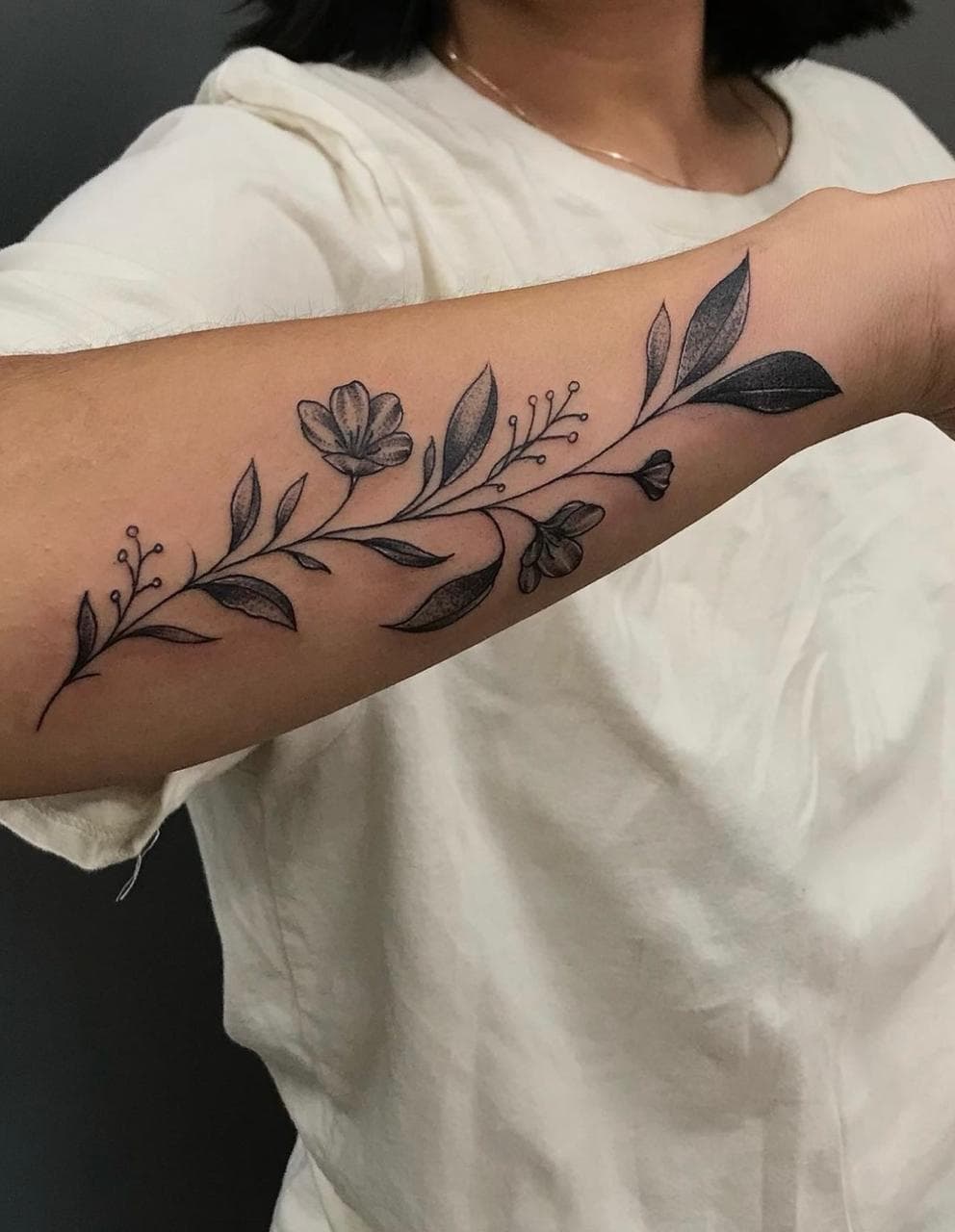
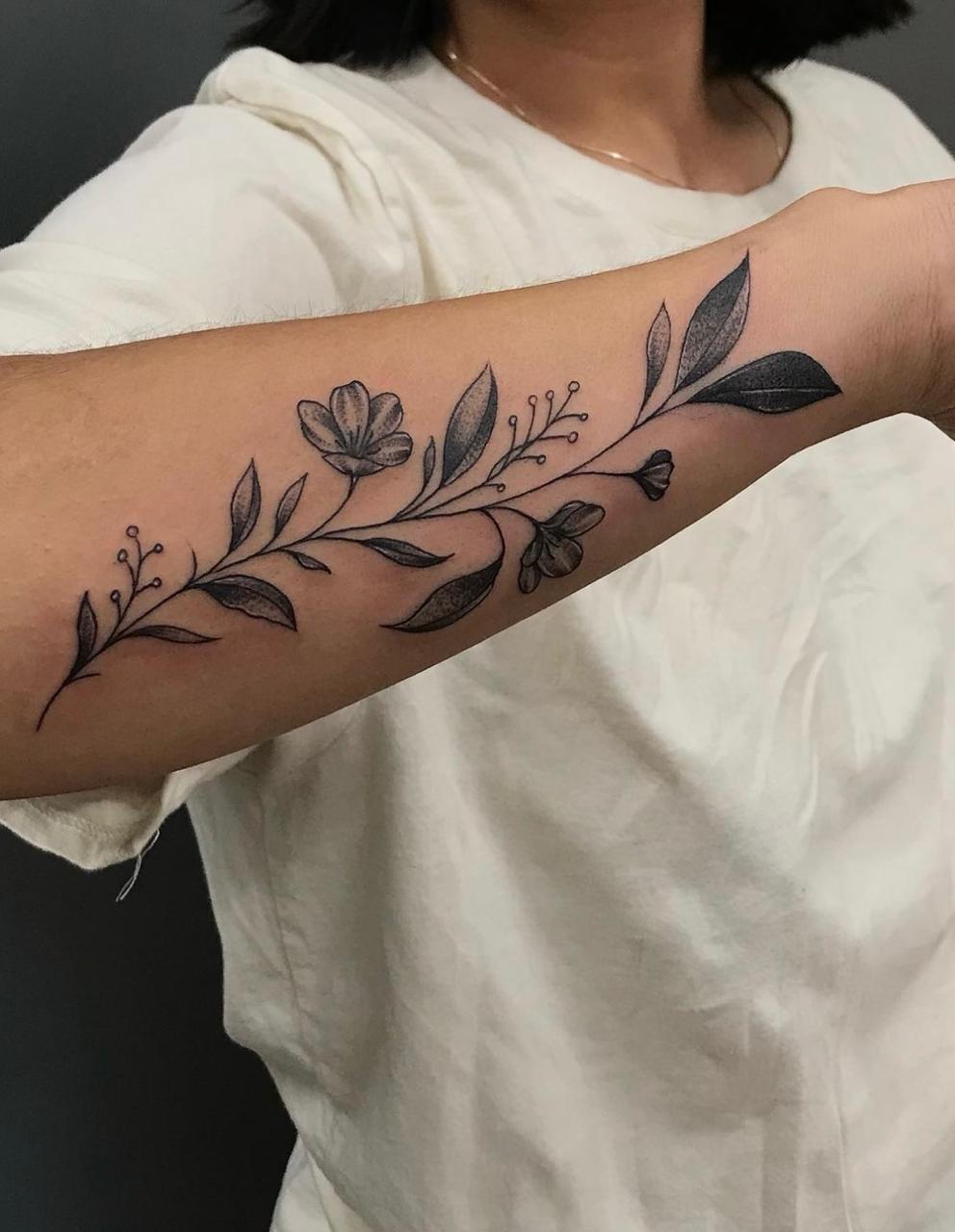
The same forces that affect how tattoos age over time — sun, skin turnover, and the depth and chemistry of the pigment — apply to cosmetic work, often more quickly because facial tissue is thinner and more delicate. Results also read differently across individual skin tones, which is one reason a consultation matters more than a photograph.
This is a strong argument for choosing a practitioner on skill and product quality rather than on price alone. A result that fades cleanly is far easier to refresh than one that has shifted to an unflattering tone.
Training, Licensing, and a Regulatory Grey Area
Cosmetic tattooing is not a licensed profession in every Australian jurisdiction, and the rules vary by state and territory. In some places the practice falls closer to tattooing regulation; in others it has been covered by beauty and skin-penetration rules with different requirements. That grey area is worth asking about directly.
Reasonable questions for any practitioner include:
- What training and certification do you hold, and how long have you been practising?
- Which pigments do you use, and how are they formulated?
- What is your infection-control process, and are you insured?
- Who do you refer clients to if a result needs medical review?
Anyone performing cosmetic tattooing should be properly trained, insured, and working to a clear hygiene standard. If those answers are vague, that is your answer.
Consultations and Patch Tests
A thorough consultation should come before any needle touches skin. Expect a discussion of your goals, your skin, your medical history, and your expectations — including the honest limits of what cosmetic tattooing can achieve.
A patch test for pigment allergy is standard good practice, usually carried out well before the appointment. Reactions are uncommon but they do happen, and testing is a simple safeguard rather than an inconvenience.
When Cosmetic Tattooing Is Not the Right Choice
Cosmetic tattooing is a cosmetic procedure, not a treatment. It is not a substitute for medical or dermatological care.
The area should not be tattooed while an active skin condition is present — infection, eczema, psoriasis, cold sores, or an undiagnosed lesion. Anything that looks unusual should be checked by a doctor first. Similarly, if you are pregnant, breastfeeding, taking certain medications, or have a history of keloid scarring or autoimmune conditions, that needs to be part of the conversation, ideally with your own doctor's input.
No cosmetic tattoo should ever be used to mask a skin problem or to "fix" a medical issue. If a practitioner is comfortable tattooing over an active flare, treat that as a red flag.
How It Differs From Body Tattooing
Cosmetic tattooing shares its mechanics with body work but not its context. The canvases are small and facial, the goal is enhancement rather than imagery, and the tools are calibrated for extremely fine, shallow work. The pigments are often formulated differently as well, partly because they are intended to fade rather than last a lifetime.
That makes cosmetic work its own discipline. A strong body-tattoo artist is not automatically a strong cosmetic technician, and the reverse is equally true.
Questions to Ask Before You Book
If you are considering cosmetic tattooing, take your time.
- Ask how the practitioner handles corrections and top-ups
- Look at healed results, not only freshly finished photos
- Clarify what aftercare involves and how long healing takes
- Understand that the final colour often differs from the immediate result
Cosmetic tattooing can be a genuinely helpful, confidence-building choice when it is done well, by the right hands, on the right skin. Treated as a quick beauty fix, it is the kind of decision people regret. The difference between those outcomes is almost always the consultation and the practitioner, not the technique itself.
At Felicidad Tattoo Studio, cosmetic tattooing sits alongside our body work, and you can find it among the treatments listed on our services page. If you are weighing it up, bring your questions — a candid conversation is the most useful thing we can offer before any decision is made.