The Irresistible Magnetism of Cinematic Antagonists
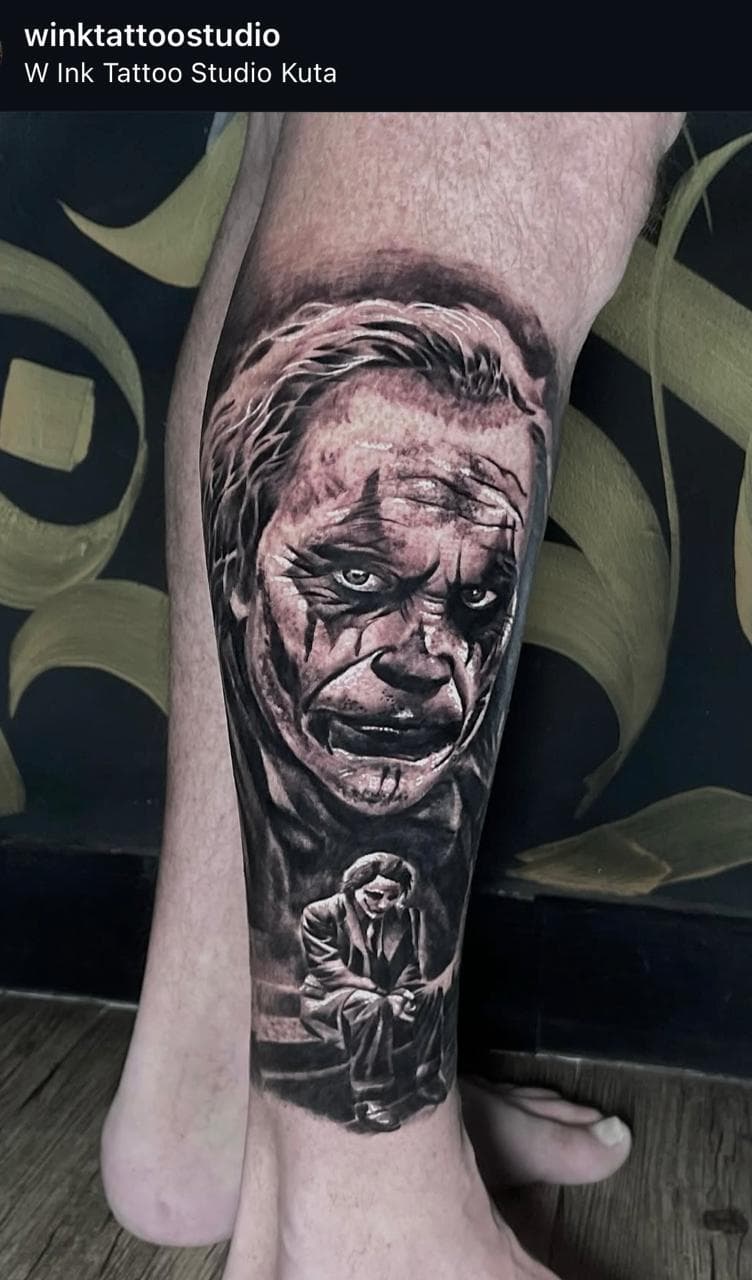
In cinema and storytelling, villains and antiheroes are often the most fascinating figures on screen. They possess depth, psychological complexity, and visually striking aesthetics — from the menacing face paint of the Joker and the mechanical breathing mask of Darth Vader to the grim intensity of dark fantasy champions.
In tattoo art, cinematic villain portraits represent the pinnacle of black and grey portraiture. When done well, a movie portrait does not merely recreate a face; it captures the atmospheric mood, lighting, and psychological tension of an unforgettable cinematic moment right on your skin.
The Technical Craft Behind Realistic Character Portraits
Portraiture is widely considered the most technically challenging discipline in tattooing. Unlike a floral or geometric pattern, human brains are hardwired to detect the slightest imperfection in facial proportions and expressions (the uncanny valley).
Here is what separates an extraordinary cinematic portrait from an ordinary one:
1. High-Contrast Chiaroscuro Lighting
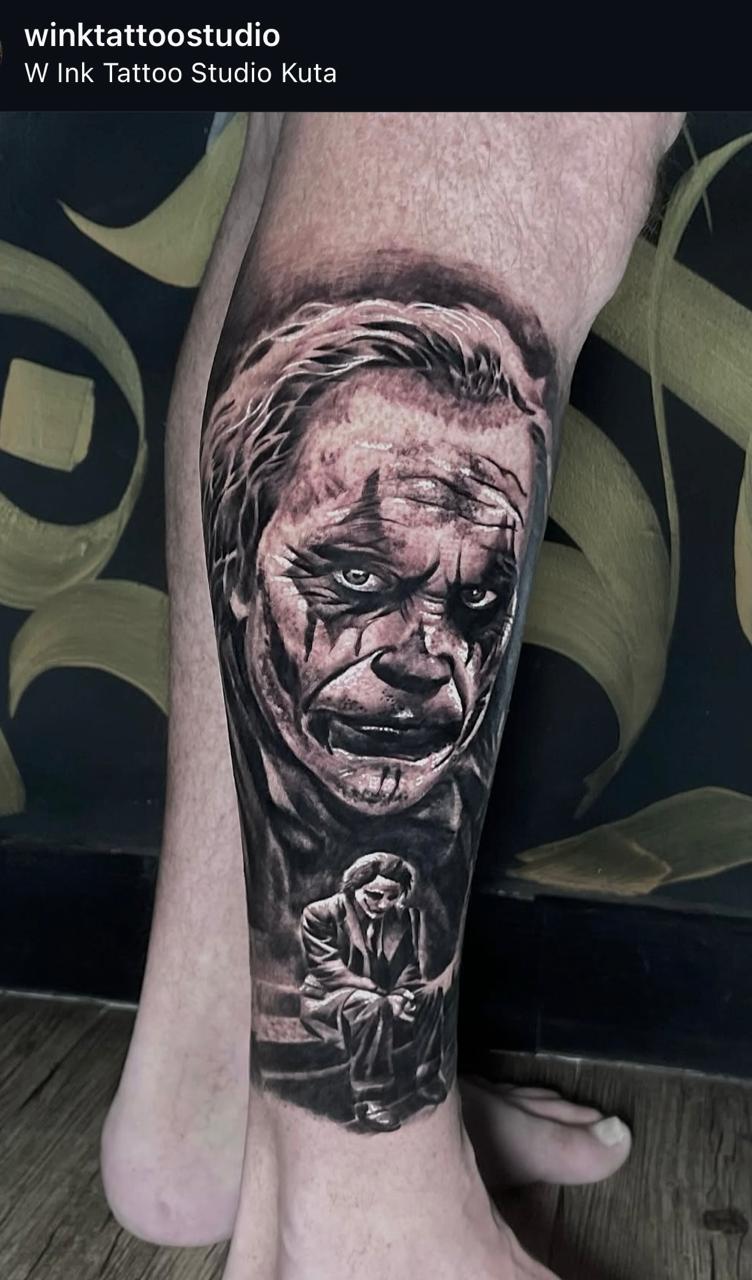
Cinematic lighting relies heavily on chiaroscuro — dramatic contrasts between deep, saturated shadow and piercing highlights. In a portrait of the Joker or Darth Vader, heavy black shading in the background and recessed facial contours makes the illuminated features surge forward with lifelike three-dimensionality.
2. The Eyes and Emotional Soul
The eyes are the focal anchor of any portrait tattoo. Capturing the wet specular reflections, fine iris striations, and subtle brow creases communicates the character's madness, menace, or solemn resolve. If the eyes miss the mark, the entire portrait loses its impact.
3. Micro-Textures and Atmospheric Details
From smeared greasepaint and skin pores to battle scars, hair wisps, and cinematic film grain, micro-textures provide the tactile realism that makes a portrait feel alive.
How to Choose the Perfect Cinematic Reference
The single most critical factor determining the success of a portrait tattoo is the quality of your source reference.
Keep these guidelines in mind when browsing film stills:
- Seek 4K High-Resolution Stills: Low-resolution screenshots or social media memes lack the fine facial details needed for realistic needle rendering. Look for official 4K movie stills, behind-the-scenes promotional photography, or dedicated cinematic archives.
- Look for Dynamic Light Sources: Avoid flat studio lighting with even illumination from all angles. Look for scenes with directional lighting — side lighting (split lighting), rim lighting, or dramatic overhead shadows that sculpt the facial structure.
- Choose an Iconic, Expressive Moment: Pick a frame that embodies the character’s definitive persona. A subtle smirk, an unhinged glare, or a solemn gaze carries far more narrative power than a neutral expression.
Sizing and Placement: Giving Portraits Room to Breathe
Portrait realism requires physical surface area. Cramming high-detail facial features into a small 5-centimeter space will inevitably blur together over time as skin cells regenerate and ink spreads naturally.
Ideal Placements:
- Outer Thigh & Quad: Offers a wide, flat canvas with minimal curvature, allowing for large-scale portraits with detailed background elements.
- Outer Calf: The vertical musculature of the lower leg naturally frames elongated character portraits and horror compositions.
- Upper Arm / Bicep: A classic placement that provides excellent visibility and flat planes on the outer shoulder and forearm.
Ensuring Your Portrait Ages Flawlessly
To keep your cinematic portrait crisp and dramatic for decades to come:
- Demand True Blacks: Ensure your artist incorporates solid black foundational shadows. Tattoos rendered only in light grey wash tend to fade quickly over the years without sufficient contrast.
- Dedicated Sun Protection: Ultraviolet rays break down pigment and blur micro-contrasts. Always apply high-SPF (50+) sunscreen once your portrait is fully healed, especially under the harsh Australian sun.
- Respect the Healing Process: Avoid friction, premature peeling, or excessive soaking during the initial 2–3 weeks of healing.
Bring Your Favorite Cinema Icon to Life in Darwin
Whether you are paying tribute to the chaotic genius of the Joker, a legendary sci-fi antagonist, or a beloved cult classic antihero, custom portrait realism demands precision and passion.
At Felicidad Tattoo Studio in Darwin, our artists specialize in dark black and grey realism and cinematic portraiture. Book a consultation today to review your reference images and start crafting your custom movie portrait.